RG BOILER :
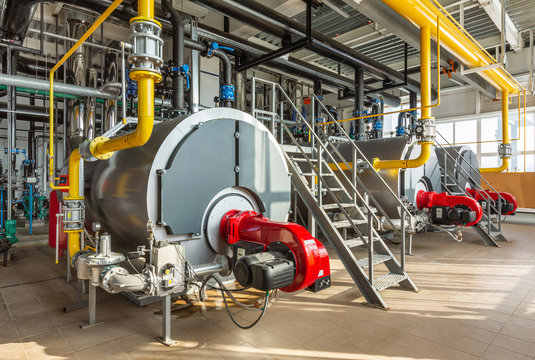
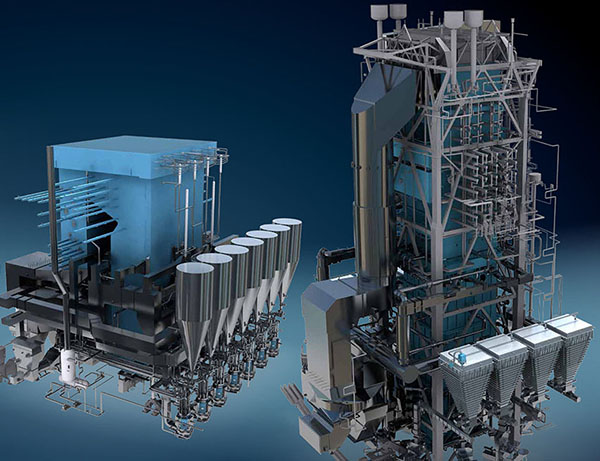
Reciprocating grate boilers are a type of biomass combustion system commonly used in industrial settings for steam generation. In these boilers, biomass fuels such as wood chips, agricultural residues, or urban waste are fed onto a continuously moving grate. The grate moves back and forth in a reciprocating motion, facilitating the controlled combustion of the fuel. One of the main advantages of reciprocating grate boilers is their ability to handle a wide range of biomass fuels with varying moisture content and particle sizes. The reciprocating motion of the grate helps to ensure thorough mixing of the fuel bed, promoting efficient combustion and reducing emissions. Additionally, reciprocating grate boilers are known for their reliability and durability, making them suitable for continuous operation in industrial applications. They are often used in industries such as pulp and paper, food processing, and power generation, where biomass residues are readily available and can be used as a renewable and sustainable fuel source.
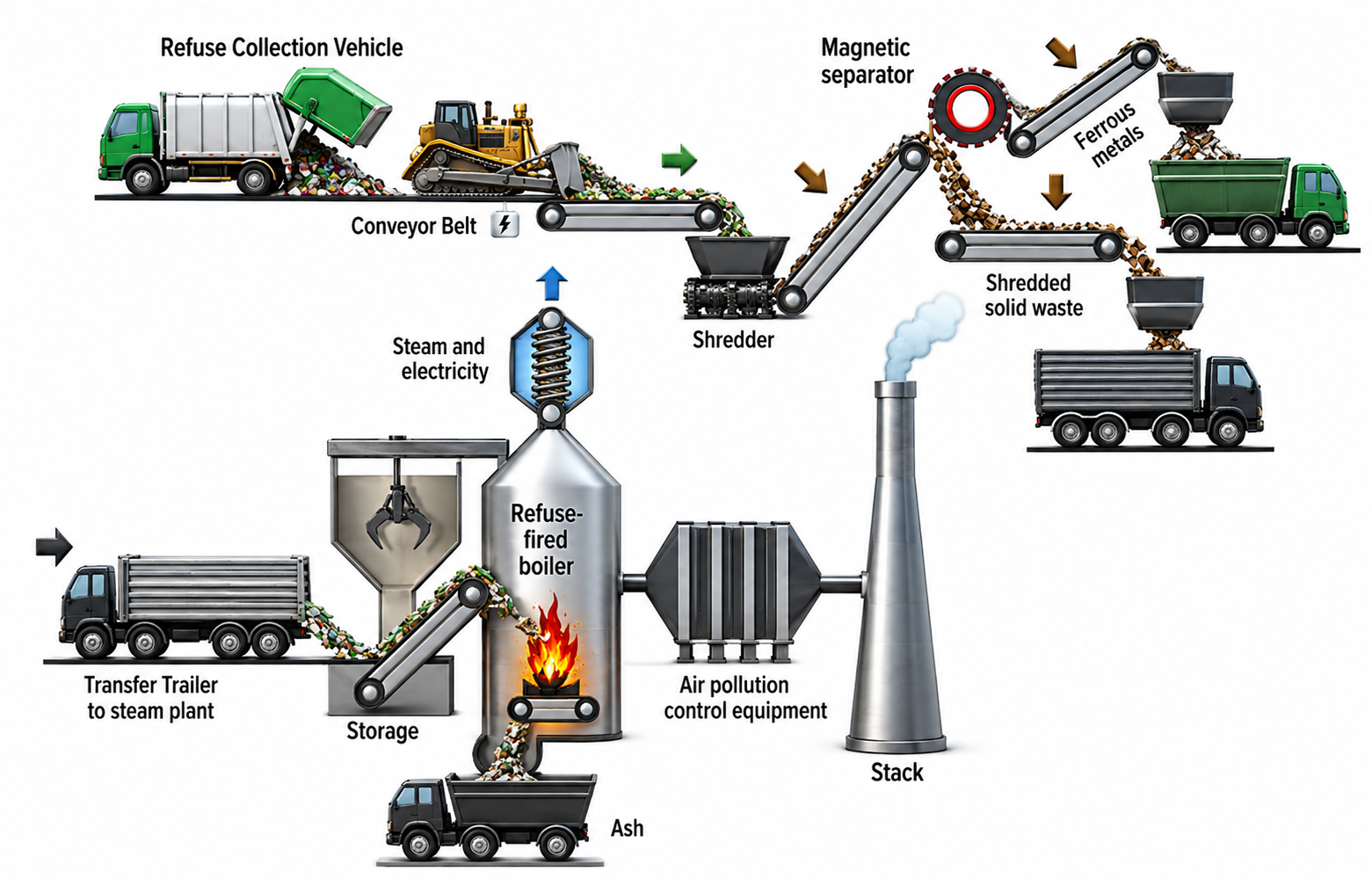
RDF processed form of municipal solid waste that offers an interesting alternative to traditional boiler fuels.There are two major benefits to using RDF in boilers. First, it helps divert waste from landfills. Landfills are not only a major source of environmental concern, but their capacity is also finite. By using RDF as a fuel source, we can reduce our reliance on landfills and promote a more sustainable waste management approach. Second, RDF offers a source of renewable energy. Unlike fossil fuels which take millions of years to form, the waste materials used in RDF are constantly being replenished. This helps reduce our dependence on traditional fuels and contributes to a more sustainable energy mix. In conclusion, RDF in boilers presents a promising solution for waste management and renewable energy generation. While it requires specialized boiler systems and careful operational considerations, RDF offers a compelling path towards a more sustainable future. Explore our complete range of industrial boilers and pollution control systems to find the right solution for your facility.
SPECIFICATIONS
- Calorific value: Should be greater than 3000 kcal/kg
- Ash content: Should be less than 35%
- Volatile matter: Should be around 20% of recent coal
- Ash fusion temperature: Should be higher than coal
- RDF composition: Should be no more than 5% by weight
- Particulate: Should be 80 mg/Nm3
- Humidity level: Should be less than 20%